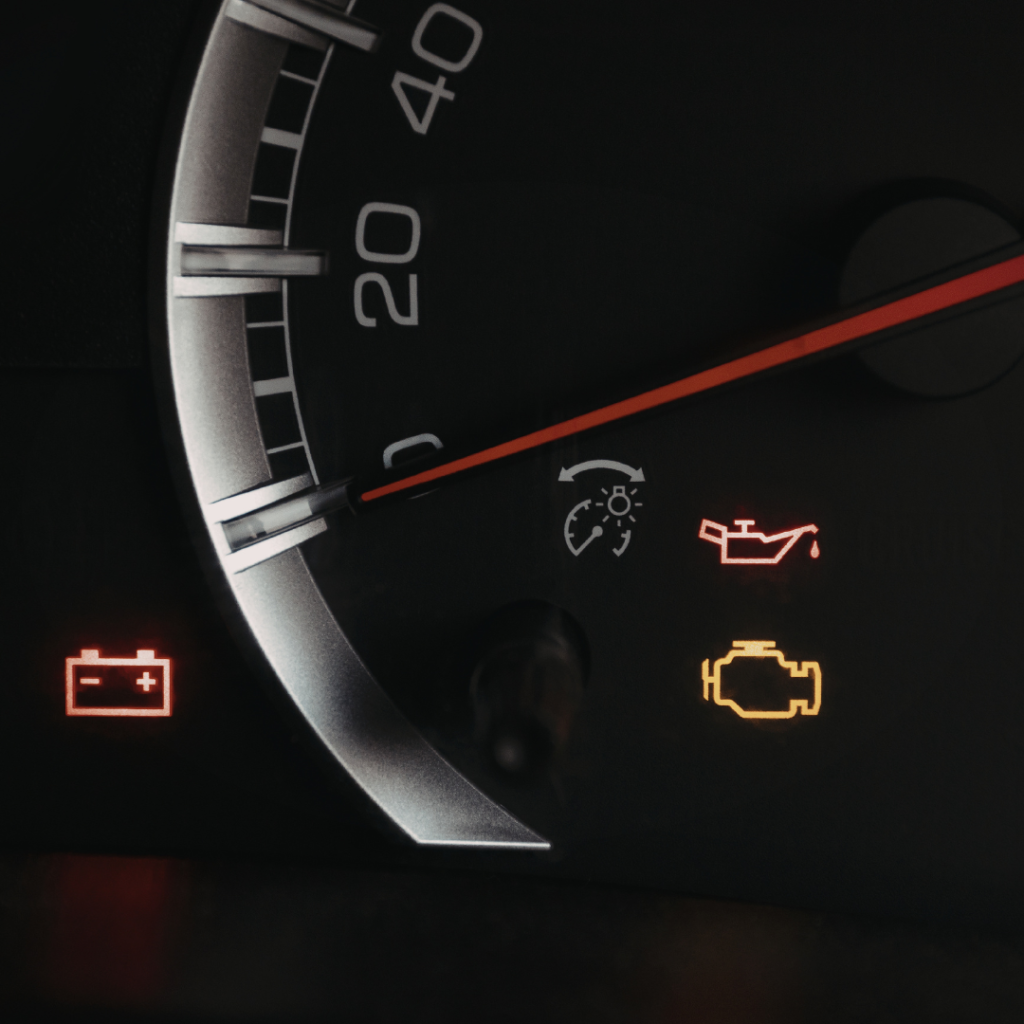
We’ve all been there: you’re driving along when that glowing amber engine icon pops up on your dashboard. It’s an instant hit of stress. Naturally, many drivers head to a local parts store for a “free code pull,” thinking the scanner will tell them exactly what to fix.
But here is the truth from the shop floor: A code is a starting point, not a solution.
The “Doctor” Analogy
Think of a diagnostic code like a human symptom. If you tell a doctor you have a fever, the fever isn’t the disease—it’s just the body’s way of saying something is wrong. The doctor then has to perform tests to see if it’s the flu, an infection, or something else entirely.
In your car, a code like P0300 (Random Misfire) tells us the engine isn’t firing correctly. However, it doesn’t tell us why. Is it a worn-out spark plug? A failing fuel injector? A vacuum leak? Or perhaps a deeper mechanical issue?
The Diagnostic Process: How We Find the Truth
When you bring your vehicle to us for a diagnostic service, we follow a rigorous process to ensure we aren’t just “parts cannoning” (guessing and replacing parts) your car.
- The Digital Scan: We use professional-grade scanners to pull component data. This scan shows us exactly what the car and component is doing (pressure, temperature, engine load) .
- Visual Inspection: We look for the obvious. Are there cracked hoses? Frayed wires? Evidence of rodents? The “Check Engine” light can often triggered by a simple $10 hose rather than a $500 sensor.
- Active Testing: This is where the real work happens. We use tools like multimeters, fuel pressure gauges, and smoke machines to test specific components. If a code says a sensor is “out of range,” we test the wiring to that sensor to make sure the sensor itself isn’t perfectly fine while the wire is broken.
- Verification: Once we identify the culprit, we explain the “why” to you, perform the repair, and then test-drive the vehicle to ensure the code stays clear and the “monitor” resets.
Why Quality Diagnostics Save You Money
It’s tempting to see a “Bank 1 Sensor 1” code and go buy a new Oxygen sensor. But if the real problem is a leak in your intake manifold, that new sensor won’t fix a thing—and you’ll be out the money for the part and the time it took to install it.
Our goal is to provide accurate answers, not just code readings. By investing in a proper diagnostic hour, you ensure that the repair is done once, done right, and that you aren’t paying for parts your car doesn’t actually need.
Next time your dashboard lights up, don’t guess—get the facts.
Sandston Automotive
SMALL TOWN FEEL, BIG TIME SERVICE
804-737-7206