Category: 💬 Honest Advice & Shop Policies

Straightforward answers about repairs, parts, estimates, and policies — focused on transparency, not pressure.

  • The Cost of Guessing & Why Professional Diagnosis is Your Best Friend

    We live in the age of information. Between YouTube tutorials and those little code readers you can buy for the price of a tank of gas, it has never been easier to feel like you’ve solved your car’s mystery before you even pull into the shop.

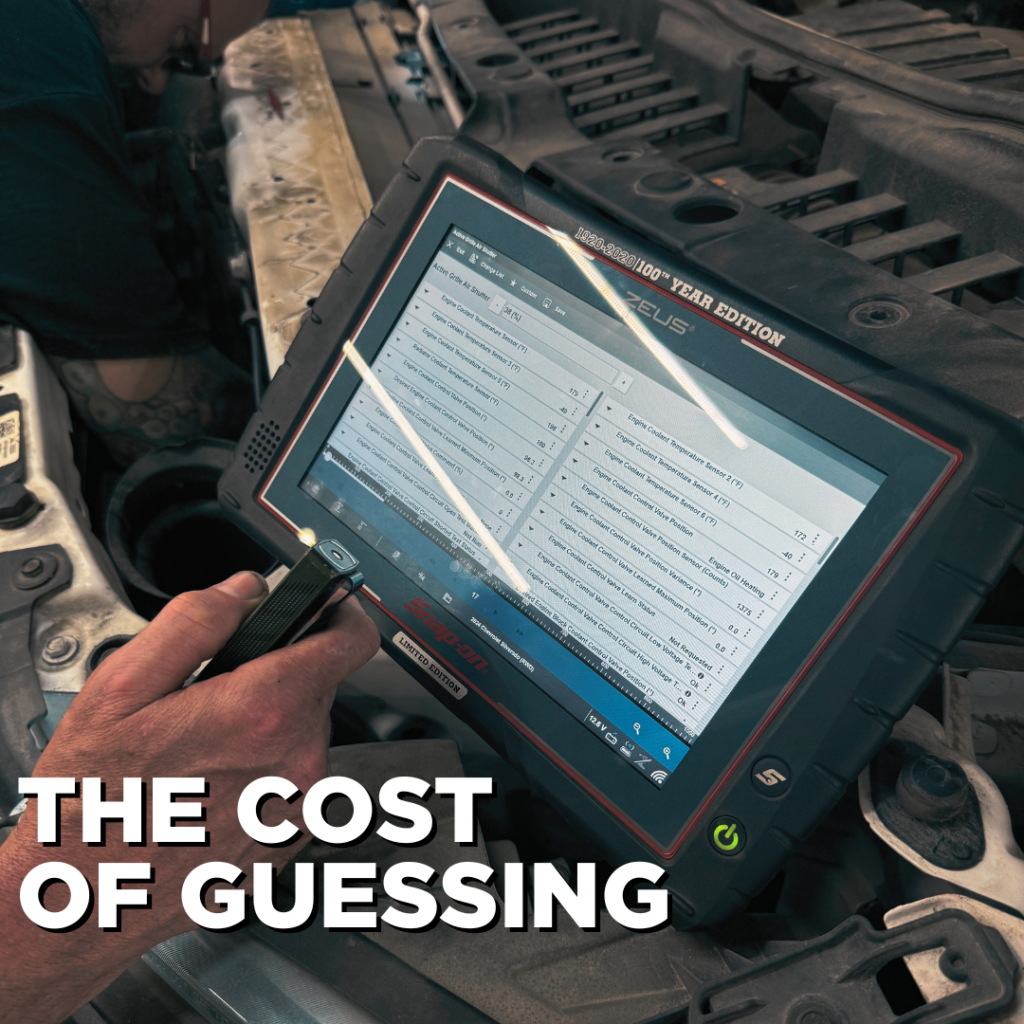
    But here’s the truth we see every day: A code is a symptom, not a solution. When you skip the diagnostic process and ask for a specific part to be replaced on a hunch or a “free scan”, you’re essentially asking us to perform surgery based on a self-diagnosis. If the diagnosis is wrong, you’ve spent money on a “cure” that doesn’t fix the disease.

    Here are three stories from our shop where a proper diagnosis saved the day (and the customer’s wallet).


    1. The “Misfire” That Was Actually a Heat Wave

    A customer came in with a vehicle that was shaking and running incredibly rough. They were certain it was a misfire and requested a full tune-up: new plugs, wires, and coils.

    However, our team noticed the temperature gauge was creeping up. It turns out the engine wasn’t “missing” because of bad spark plugs; it was struggling because the cooling fan had failed.
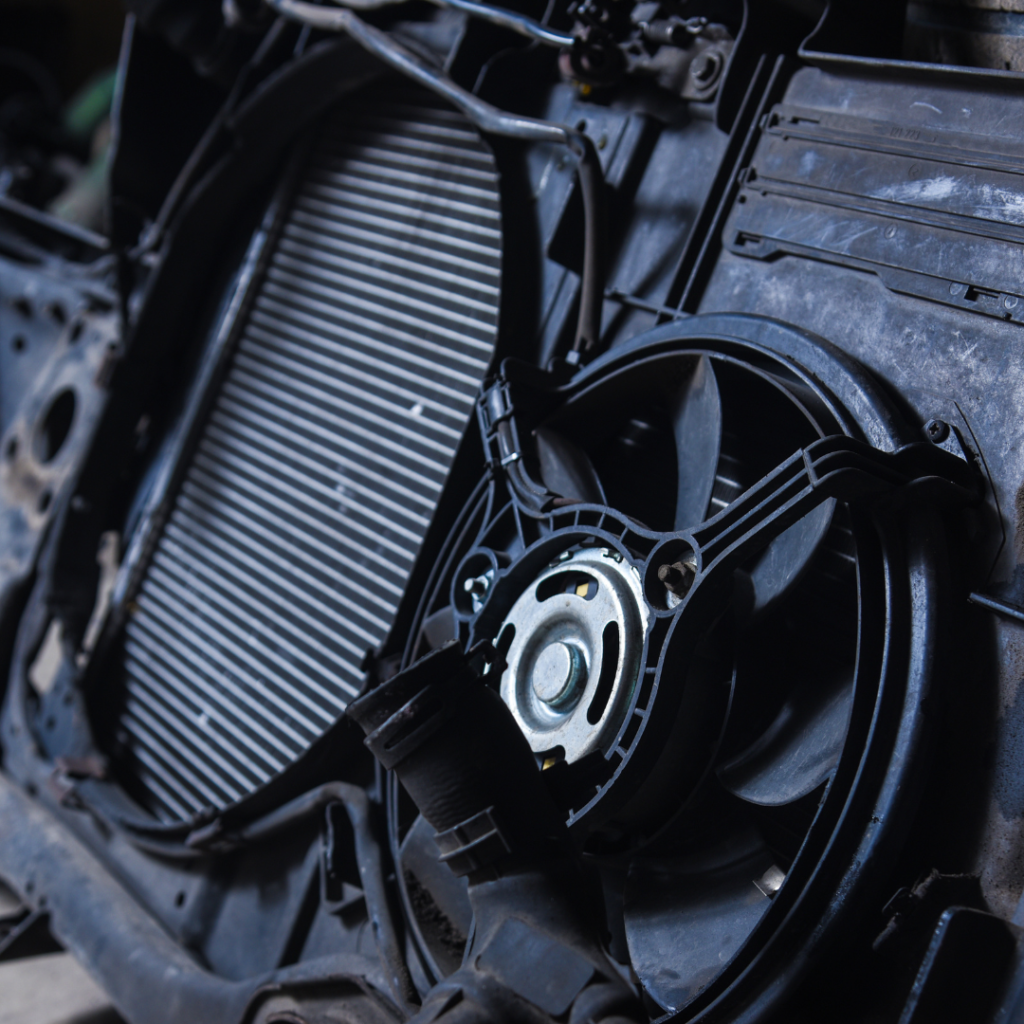
    The engine was getting so hot that it began to stumble, mimicking misfire symptoms. A tune-up would have cost hundreds of dollars, yet the car would have still overheated— potentially leading to total engine failure.


    2. The A/C Mystery: It’s Not Always the Freon

    We had a request for a “standard evac and recharge” for an A/C system that wasn’t cooling. The customer didn’t want a diagnosis; they just wanted more Freon.
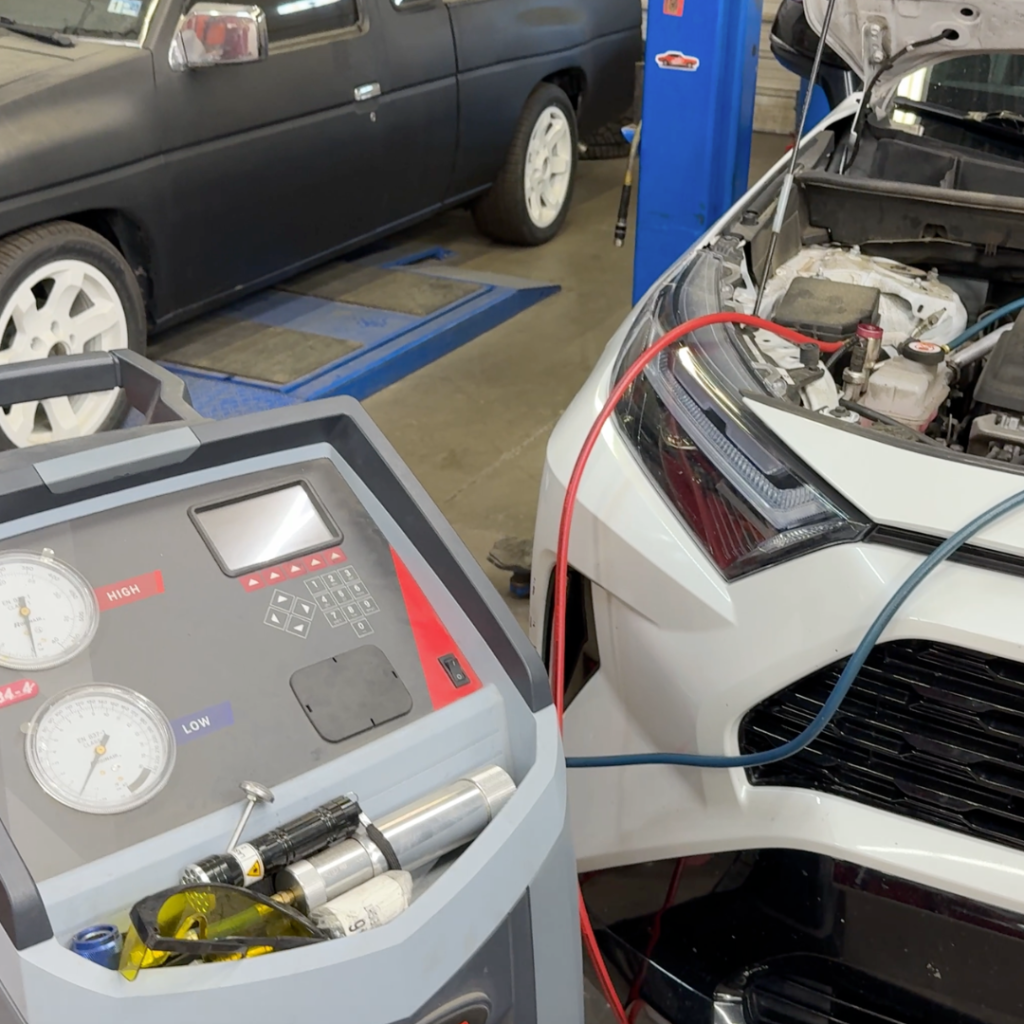
    When we hooked it up to our equipment, the system held a perfect vacuum and the refrigerant levels were actually spot on.

    By digging deeper, we found the real culprit: the driver’s side was ice cold, but the passenger side was blowing warm.

    The issue wasn’t the gas; it was a faulty HVAC blend door actuator—a small motor that redirects air.
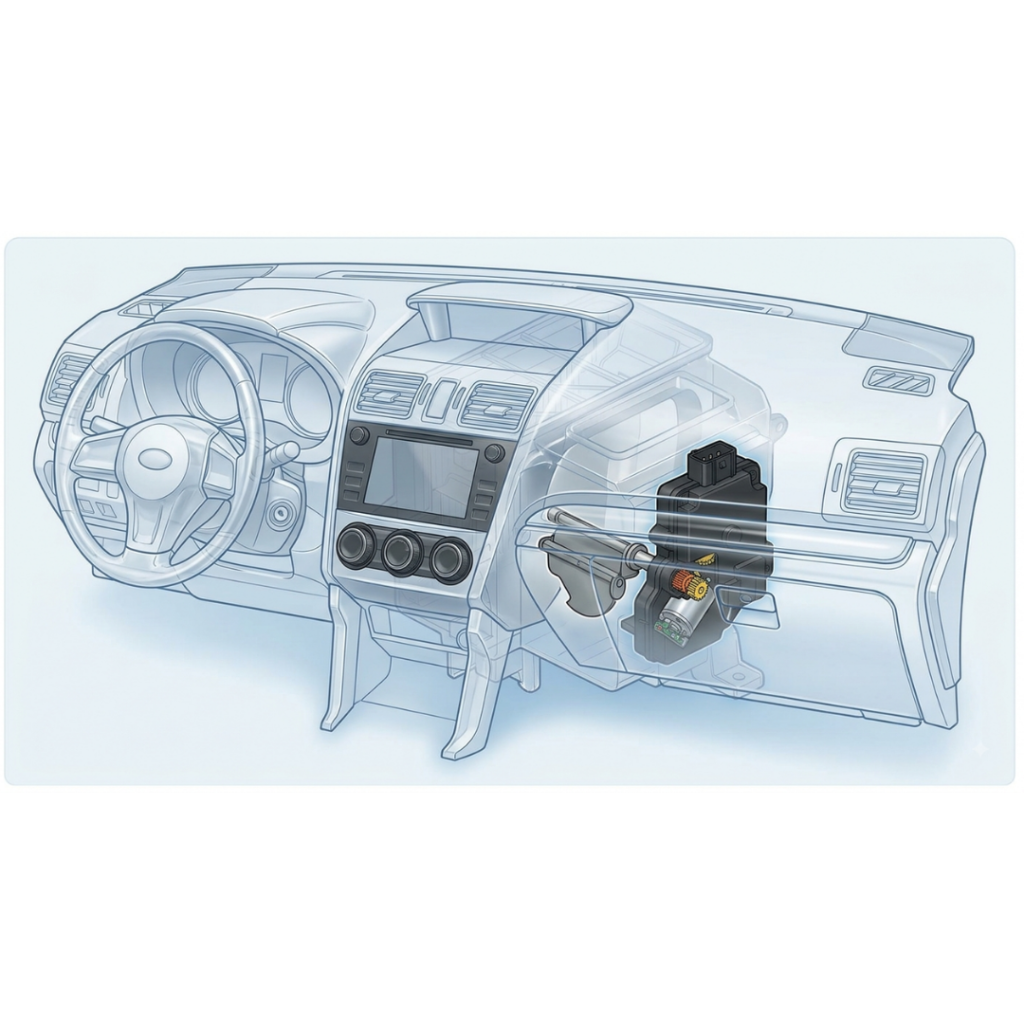
    If we had simply performed the recharge as requested, the customer would have paid for a service they didn’t need and left with the exact same warm air on the passenger side.


    3. The $120 Mistake

    This one was a tough lesson in “part-hanging.” A customer requested we install a new neutral safety switch they had already purchased, convinced it was the reason their car wouldn’t start. We installed it as requested, but the car still sat silent in the bay.

    Once we were authorized to perform a proper diagnosis, we found a faulty brake light switch. The car’s computer didn’t know the brake pedal was being pressed, so it wouldn’t allow the engine to fire up.
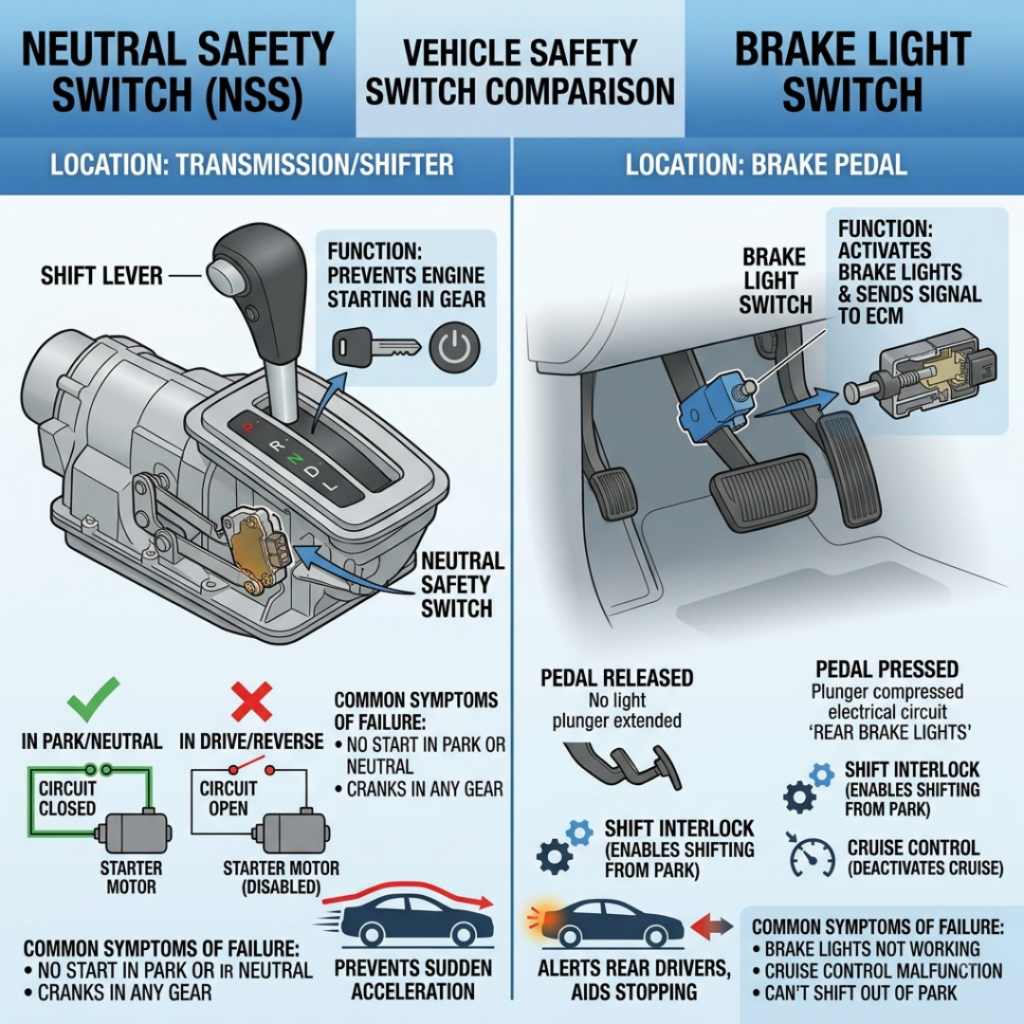
    The price difference? The brake switch was $120 cheaper than the part the customer insisted on replacing. Between the cost of the wrong part and the second trip to the shop, the “self-diagnosis” cost them significant time and money.


    Why we value the deep dive

    We understand that a diagnostic fee can feel like an extra hurdle when you just want your car back.

    We get it—paying for a diagnostic fee can feel like an extra expense, when you just want the car fixed.

    But as these stories show, a professional diagnosis is an investment that:

    • Saves Money: You stop paying for parts & labor your car doesn’t need.
    • Saves Time: We fix it right the first time, preventing a “Round 2” at the shop.
    • Reduces Stress: You leave with the peace of mind that the actual root cause has been addressed.
    • Provides Support: Most importantly, when we perform the diagnosis, we stand behind our work. When you tell us what part to change, we are simply technicians following an order. When you ask us to find the problem, we become your partners in keeping your vehicle safe and reliable.

    Our goal isn’t just to clear a code; it’s to provide a solution we can be proud of and you can rely on. Next time your dash lights up, don’t guess—let us help you get the facts.


    Sandston Automotive

    SMALL TOWN FEEL, BIG TIME SERVICE

    804-737-7206
  • Beyond the Code: Why Your “Check Engine” Light is Just the Start

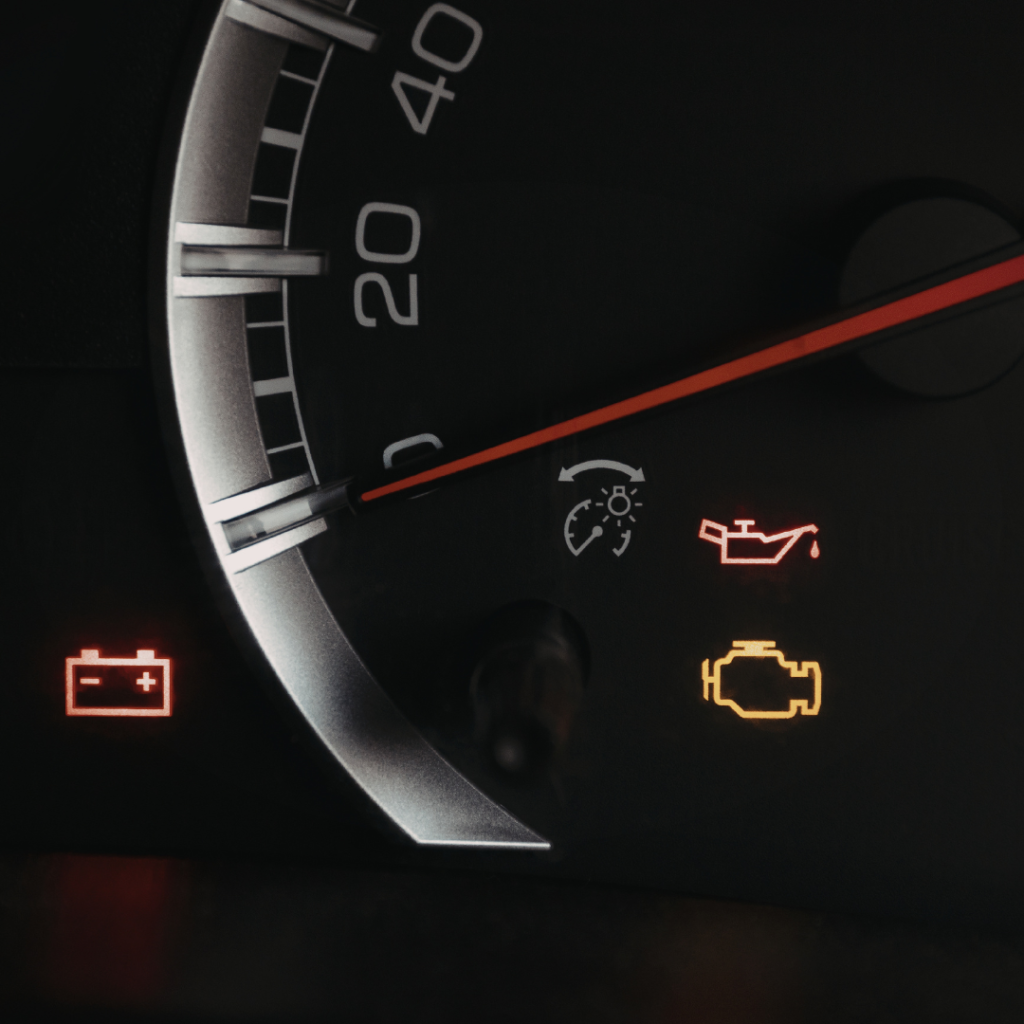
    We’ve all been there: you’re driving along when that glowing amber engine icon pops up on your dashboard. It’s an instant hit of stress. Naturally, many drivers head to a local parts store for a “free code pull,” thinking the scanner will tell them exactly what to fix.

    But here is the truth from the shop floor: A code is a starting point, not a solution.


    The “Doctor” Analogy

    Think of a diagnostic code like a human symptom. If you tell a doctor you have a fever, the fever isn’t the disease—it’s just the body’s way of saying something is wrong. The doctor then has to perform tests to see if it’s the flu, an infection, or something else entirely. 

    In your car, a code like P0300 (Random Misfire) tells us the engine isn’t firing correctly. However, it doesn’t tell us why. Is it a worn-out spark plug? A failing fuel injector? A vacuum leak? Or perhaps a deeper mechanical issue?


    The Diagnostic Process: How We Find the Truth

    When you bring your vehicle to us for a diagnostic service, we follow a rigorous process to ensure we aren’t just “parts cannoning” (guessing and replacing parts) your car.

    1. The Digital Scan: We use professional-grade scanners to pull component data. This scan shows us exactly what the car and component is doing (pressure, temperature, engine load) .
    2. Visual Inspection: We look for the obvious. Are there cracked hoses? Frayed wires? Evidence of rodents? The “Check Engine” light can often triggered by a simple $10 hose rather than a $500 sensor.
    3. Active Testing: This is where the real work happens. We use tools like multimeters, fuel pressure gauges, and smoke machines to test specific components. If a code says a sensor is “out of range,” we test the wiring to that sensor to make sure the sensor itself isn’t perfectly fine while the wire is broken.
    4. Verification: Once we identify the culprit, we explain the “why” to you, perform the repair, and then test-drive the vehicle to ensure the code stays clear and the “monitor” resets.


    Why Quality Diagnostics Save You Money

    It’s tempting to see a “Bank 1 Sensor 1” code and go buy a new Oxygen sensor. But if the real problem is a leak in your intake manifold, that new sensor won’t fix a thing—and you’ll be out the money for the part and the time it took to install it.

    Our goal is to provide accurate answers, not just code readings. By investing in a proper diagnostic hour, you ensure that the repair is done once, done right, and that you aren’t paying for parts your car doesn’t actually need.

    Next time your dashboard lights up, don’t guess—get the facts.


    Sandston Automotive

    SMALL TOWN FEEL, BIG TIME SERVICE

    804-737-7206
  • Sticker Time! A Simple Guide to Virginia State Inspections

    Hey there, Virginia drivers!

    If you’ve ever glanced at that little sticker on your windshield and thought, “Wait… was it really a year ago already?” — you’re not alone. The annual Virginia State Inspection sneaks up on all of us. But don’t worry! At Sandston Automotive, we’ve got your back, your brakes, your tires… basically, all of it.


    📌 Quick Disclaimer (Because Laws Like to Change)

    Virginia inspection laws, procedures, and requirements can change from time to time. While we do our best to share accurate, helpful information, this post is meant to prepare you for your inspection and for general education only. For the most up-to-date and official requirements, always refer to the Virginia Code and the Virginia State Police Safety Inspection Manual, or speak directly with a Virginia State Inspection Officer.

    Translation: when in doubt, trust the rulebook — not just the blog 😉


    ✅ What is the Virginia State Inspection?

    In short:
    It’s a yearly safety check required by the Commonwealth of Virginia to make sure your vehicle is safe, road-worthy, and not secretly plotting to strand you on I-95 at rush hour.

    There are 24 inspection points, and while that sounds like a lot, think of it more like a thorough spa day for your car — minus the cucumber water.

    In Detail: Two Types of Inspections

    Virginia requires two main types of inspections for many vehicles:

    *If you live outside of emissions-testing areas (mainly Northern Virginia), like here in Central Virginia, (or drive an older, exempt vehicle), then you only need the safety inspection


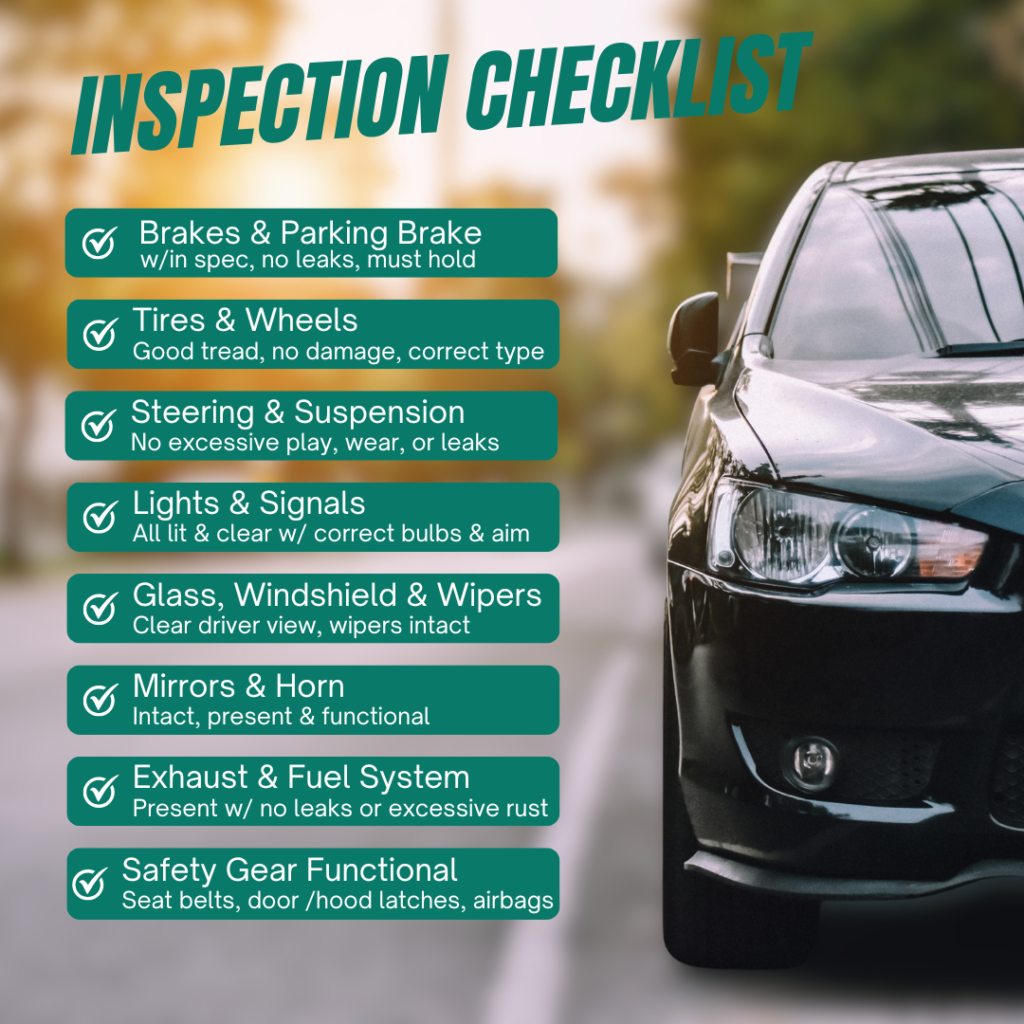
    🛠️ What Gets Checked During Your Safety Inspection

    Inspection stations and Inspectors are certified and regulated by the Virginia State Police.  

    Some of the main items include:

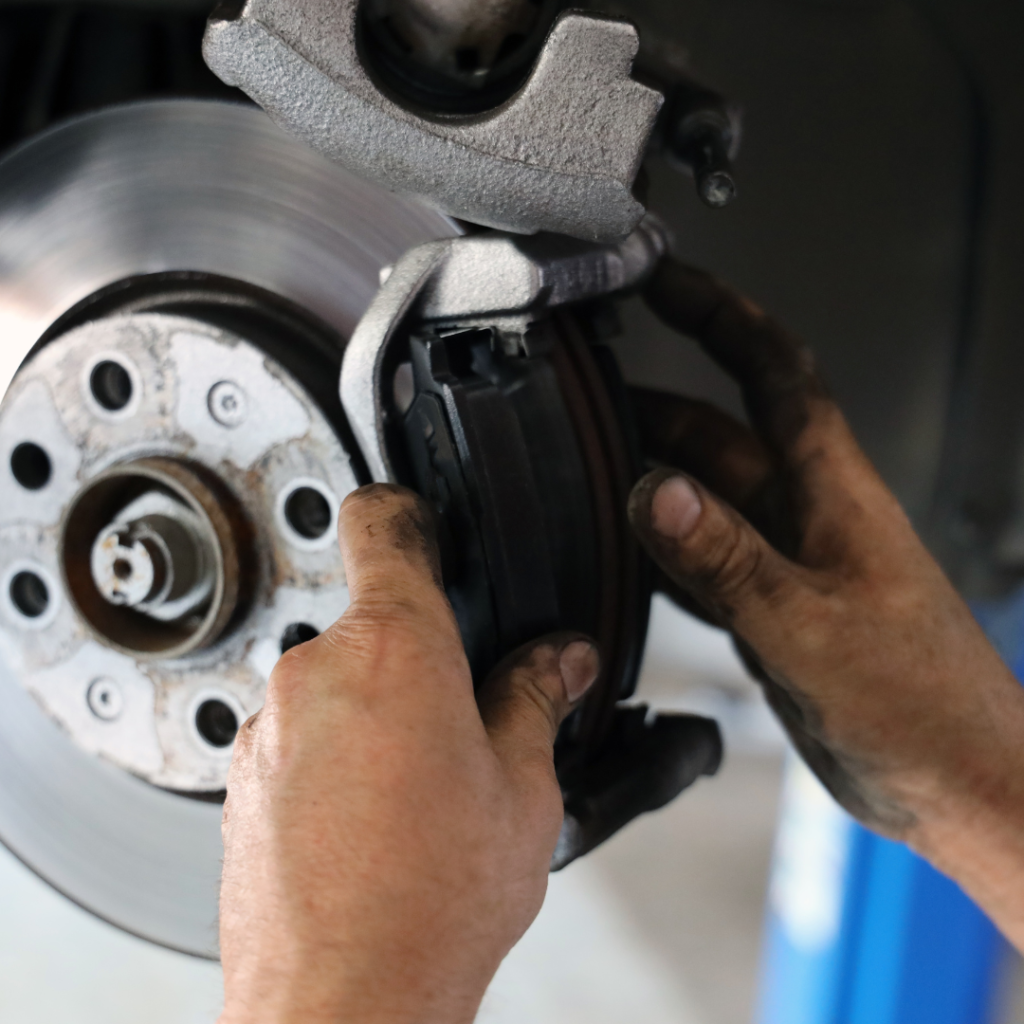
    • Brakes & parking brake — condition of pads/rotors or drums (minimum thickness is 2mm with no excessive pitting, grooving or glazing), fluid level, any leaks.  Parking brake must hold. 
    • Tires & wheels — tread depth (minimum depth is 2mm), damage (no cord or secondary rubber showing or other damage like missing chunks from sidewall or cracks in wheels), correct tire type. 
    • Steering & suspension — checking for play (excessive movement) in joints, worn bushings, loose steering components, shocks/struts (no leaking), and proper alignment. 
    • Lights & signals — headlights, brake lights, turn signals, reverse lamps — all lights working, correct bulbs (turn signals must be amber), lenses clear, and correct aim. 
    • Glass, windshield & wipers — no major cracks or visibility issues*; wipers must be in good working order (torn wipers are a super common failure). 
    • Mirrors — must be present (must have interior and driver side), intact, and give proper rear visibility
    • Horn — must be mounted properly and be loud enough to be heard at 200 feet
    • Exhaust & fuel system — no leaks or major rust, and proper emissions-related components intact
    • Safety gear — seat belts, door latches, hood latch, proper glass, airbags (if equipped), etc.


    📅 How Often You Need an Inspection — and What It Means for You

    • In Virginia, your car’s safety checkup is required once every 12 months. Think of it like an annual physical… but for your vehicle, and with fewer awkward conversations. 
    • If you live in certain parts of the state, you’ll also need an emissions inspection every two years. It’s basically your car proving it can behave itself environmentally.
    • And here’s a fun twist: the DMV doesn’t send reminders. Nope. Not a postcard. Not an email. Not even a friendly owl. It’s all on you (but hey, we’re happy to help you keep track!).

    One more important note — your inspection has to be done at a certified inspection station. Not every auto shop is officially allowed to slap that shiny sticker on your windshield, so make sure you’re visiting the real deal.

    Luckily… that’s us!


    ⏱️ How Long Does It Take?

    Typically around 45 minutes — just enough time to grab a coffee, answer a couple emails, or contemplate why all pens disappear from your cup holder.


    🚦 What If My Car Fails?

    No worries! Wear and tear happens. 

    If any of the above systems are unsafe or visibly defective, the car fails the inspection.
    We’ll walk you through what needs fixing, give you honest recommendations, complete the repairs and help you get back on the road safely. 

    If you choose to complete the repairs yourself or elsewhere (totally an option!), your car is issued a rejection sticker.  

    You have a 15-day grace period to handle any repairs and return for a re-inspection of the failed items.


    ✅ Smooth Inspection Checklist

    1. Check your windshield for the current inspection sticker to see the expiration ate
    2. Don’t wait until the last minute. Book your inspection a few weeks early (especially if your car might need repairs).
    3. Bring your registration and payment — $20 for passenger cars ($12 for motorcycles).
    4. If your car fails, get the necessary repairs. We can take care of you in one trip, or arrange the repairs and return for a follow-up inspection. You’ll need to fix only the failed items if you return within the rejection sticker window.
    5. Keep your receipts and certificate handy — especially if you’re moving or buying/selling a car.


    🛞 Looking Out for You and Your Ride

    At Sandston Automotive, we believe state inspections are more than just stickers — they represent a basic safety check that helps keep you, your family, and your community safer on Virginia roads. Think of it like an annual “tune-up” for your car’s safety systems.

    If you’re due for an inspection (or have questions about what’s required), bring your car by — we’re certified and ready to help you pass with flying colors.

    Sandston Automotive

    SMALL TOWN FEEL, BIG TIME SERVICE

    804-737-7206
  • Why Good Shops Turn Away Bad Work: Integrity in Auto Repair

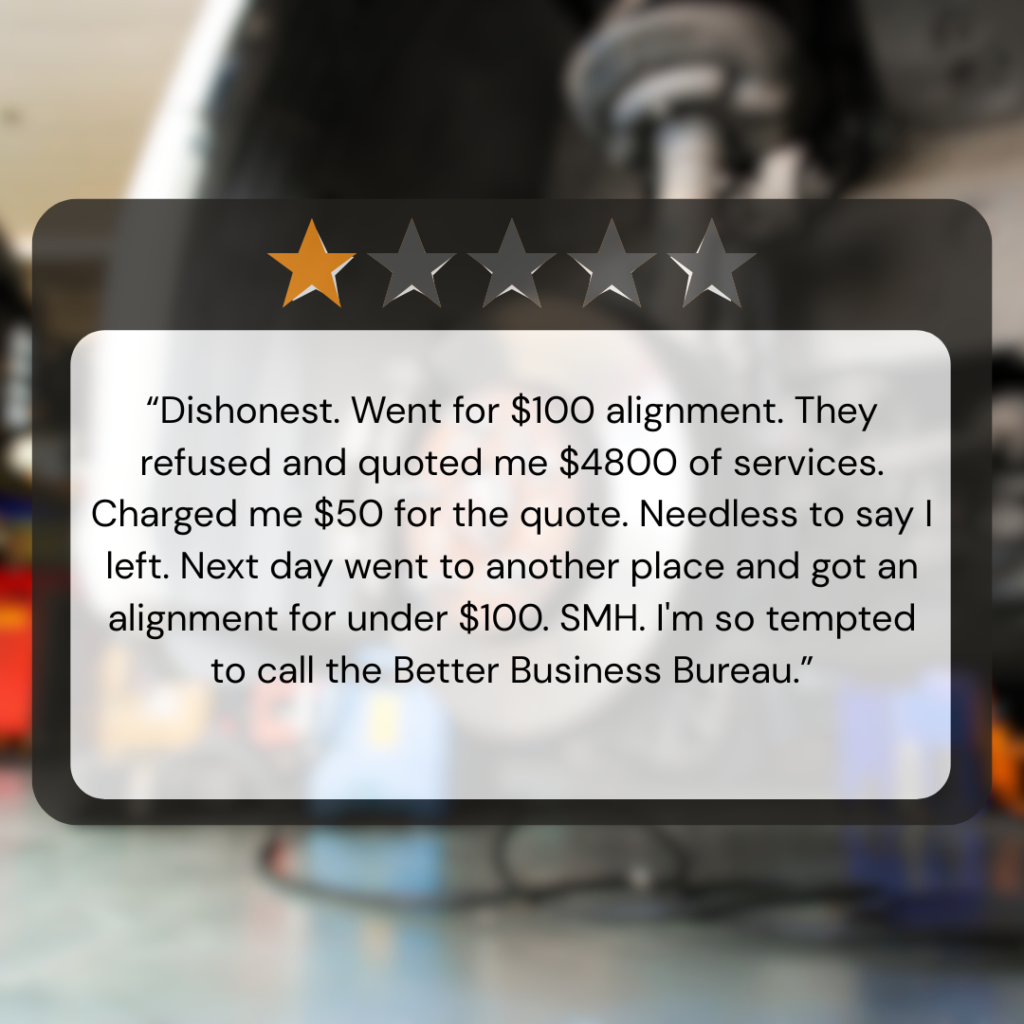
    Google Review:
    “Dishonest. Went for $100 alignment. They refused and quoted me $4800 of services. Charged me $50 for the quote. Needless to say I left. Next day went to another place and got an alignment for under $100. SMH. I’m so tempted to call the Better Business Bureau.”


    🪼 Seeing a review like this stings — not because we did anything wrong, but because it shows a customer left without understanding why we couldn’t do the work they requested. And if there’s one thing good shops try to avoid, it’s misunderstandings.

    So let’s talk about it openly:
    Honest auto shops turn away work.
    Not because we don’t want to help, but because we refuse to do unsafe, incomplete, or misleading repairs — even when those repairs are exactly what someone thinks they came in for.


    Why We Sometimes Say “No” — And Why It’s the Honest Choice

    Starting with the Alignment Review

    1. When a “Repair” Isn’t Safe, It Isn’t Ethical

    An alignment isn’t just “straightening the wheels.” It’s a precision service that depends on suspension and steering components being solid and functioning correctly.

    If those parts are:

    • Bent
    • Broken
    • Loose
    • Severely worn
    • Rusted beyond safe adjustment

    …then an alignment cannot be performed correctly.

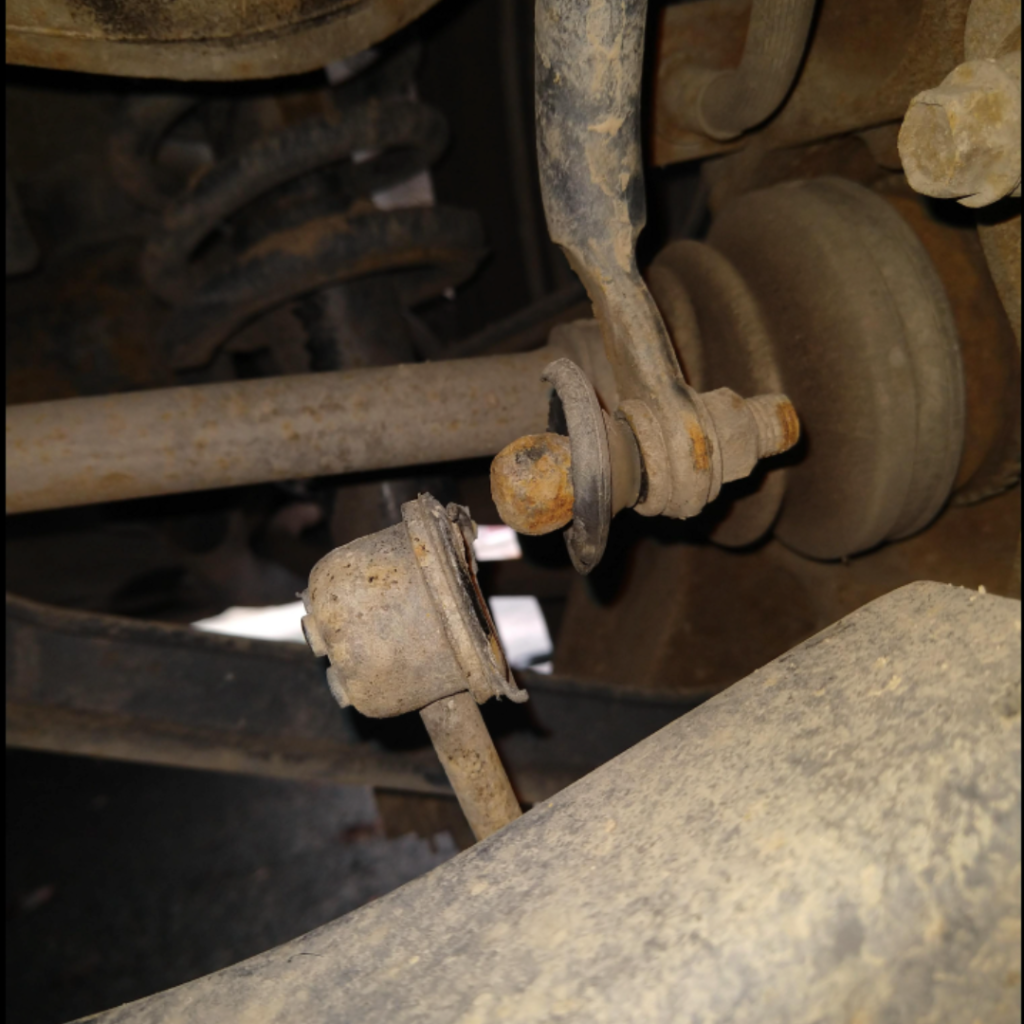
    In the review above, the vehicle had multiple safety issues that prevented a proper alignment, more importantly, an alignment would not fix the underlying issue. These included excessively worn and loose front control arm bushings and sway bar links, loose ball joints, and a bent rear control arm – among other issues. 

    Attempting an alignment anyway would lead to:

    • Rapid tire wear
    • Unsafe handling
    • The car still pulling or wandering
    • A false sense of safety
    • Liability for everyone involved

    So when we inspect a vehicle and find major issues — sometimes several thousand dollars’ worth — the ethical choice is to stop, explain the findings, and decline the alignment until the problems are corrected.

    Doing the alignment anyway for a quick $100? 

     That would be dishonest.This same mindset and transparency applies to all the work we do.


    “But another shop aligned it…”

    Unfortunately, some places will perform a minimal “toe set,” print an alignment sheet, and send you out the door. It’s fast. It’s cheap. It’s not the full service you think you’re getting.

    It often ignores:

    • Worn ball joints
    • Failing tie rods
    • Damaged control arms
    • Bent suspension & steering components
    • Loose bushings
    • Frame or subframe issues

    Will the car technically drive straighter for a moment? Sure, possibly.
    Will it stay aligned? No.
    Is it safe? That depends — and we’re not willing to gamble with your safety.


    2. We Refuse “Band-Aid Repairs” 🩹

    Sometimes people want the quickest or least expensive fix possible. We understand that — but band-aid repairs come at a cost.

    They often lead to:

    • Repeat breakdowns
    • Wasted money
    • Bigger future repairs
    • Unsafe driving conditions

    If a requested shortcut doesn’t solve the real problem — or makes the situation unsafe — we’ll turn the work away rather than take your money for something we know won’t help.


    3. We Don’t Install Used Parts

    While we’re willing to install customer-supplied new parts, we do not install used or previously installed components.

    Used parts come with too many unknowns, including:

    • Hidden wear or internal damage
    • Previous improper installation
    • Shortened remaining lifespan
    • Higher risk of immediate or catastrophic failure

    Even when a used part “looks fine,” there’s no reliable way to verify its history or safety. Installing used components puts you — and us — at risk, and it’s something we won’t compromise on.

    This policy reinforces our commitment to no shortcuts, no temporary fixes, and repairs done responsibly.


    4. We Won’t Guarantee Customer-Supplied Parts

    We understand some customers prefer to supply their own parts, and we’re willing to work with you — with clear understanding and expectations.

    When we don’t source the part ourselves, too many variables are out of our control.

     When sourcing the part we can:

    • Guarantee the quality
    • Verify the correct fit
    • Offer a warranty on the part AND labor
    • Ensure the quality of the part and that it’s built to last

    Installing a part we didn’t supply means the repair carries unknown risks, and we won’t gamble on safety or reliability. We’re happy to perform the installation with the understanding that the repair is not guaranteed or warrantied in any way.

    Transparency up front ensures no one is rolling the dice on safety.

    No guesswork. No gamble.


    5. We Won’t Take On Jobs We Can’t Complete Properly

    If a repair requires specialized equipment, software we don’t carry, or manufacturer-specific expertise another shop is better equipped for, we’ll tell you — not guess, not experiment, and not waste your time.

    A good shop knows its limits and protects your vehicle by respecting them.


    Turning Away Work Isn’t About Money — It’s About Integrity

    Some people assume shops recommend repairs just to pad the bill. In reality, reputable shops do the opposite:
    We turn away profitable work when it isn’t the right repair.

    Why?

    Because we value:

    • Your safety
    • Our reputation
    • The long-term health of your vehicle
    • Ethical, Honest and professional standards

    We’d rather lose a job today than do something unsafe or dishonest.


    Bottom Line

    When we decline an alignment — or any repair — it’s not because we’re trying to upsell. It’s because the vehicle needs real attention before the requested service can be safely completed.

    Saying “yes” to everything might make people happy in the moment, but it isn’t ethical or safe.

    Integrity means doing the right repair, not the easy one.

    And that’s why good shops turn away bad work.

    Sandston Automotive

    SMALL TOWN FEEL, BIG TIME SERVICE

    804-737-7206