Let’s be honest—most people don’t pop the hood just to admire their vehicle’s fluids. But those fluids are doing a lot of heavy lifting behind the scenes. Think of them as your car’s lifeblood. Ignore them for too long, and things can get expensive… fast.
Here’s a simple, no-nonsense breakdown of the most important vehicle fluids, what they do, and when you should be thinking about servicing them.
Engine Oil
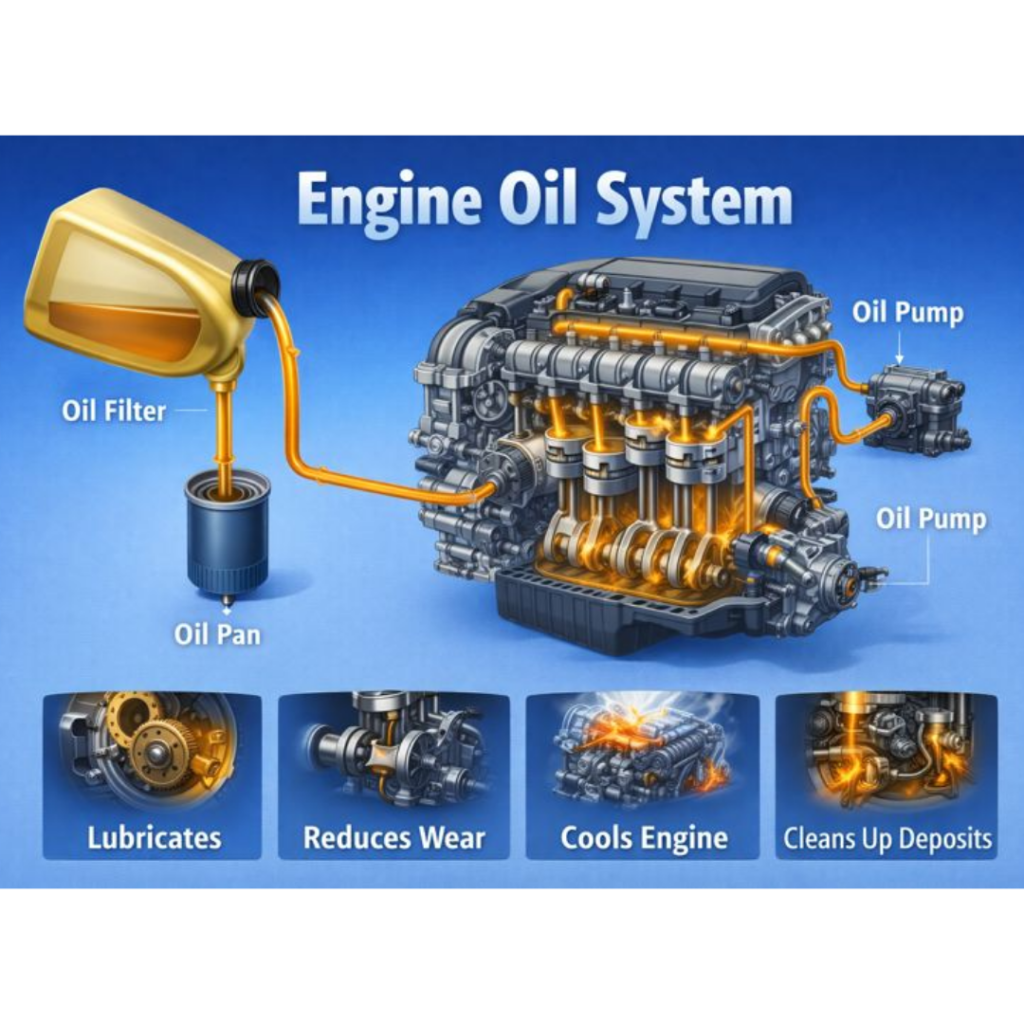
What it does:
Engine oil lubricates moving parts, reduces friction, helps control temperature, and keeps internal components clean.
When to change it:
Most manufacturers set their own oil change intervals, which can range anywhere from 3,000–7,500 miles (or more) depending on the engine design, oil type, and vehicle use.
We set reminders at
- 3,500 miles for conventional and blends &
- 5,000 miles for full synthetic.
If you’re doing a lot of short trips, towing, or stop-and-go driving, you may need it more often.
We have found that some engines are more tolerant to longer gaps between oil changes while others are more sensitive to contaminants and perform best (while avoiding issues) with more frequent oil changes.
What happens if you wait too long?
Sludge buildup, poor lubrication, overheating, and in worst cases—engine failure. This one’s non-negotiable.
Check out this shelf of shame post about way overdue oil changes
Coolant (Antifreeze)
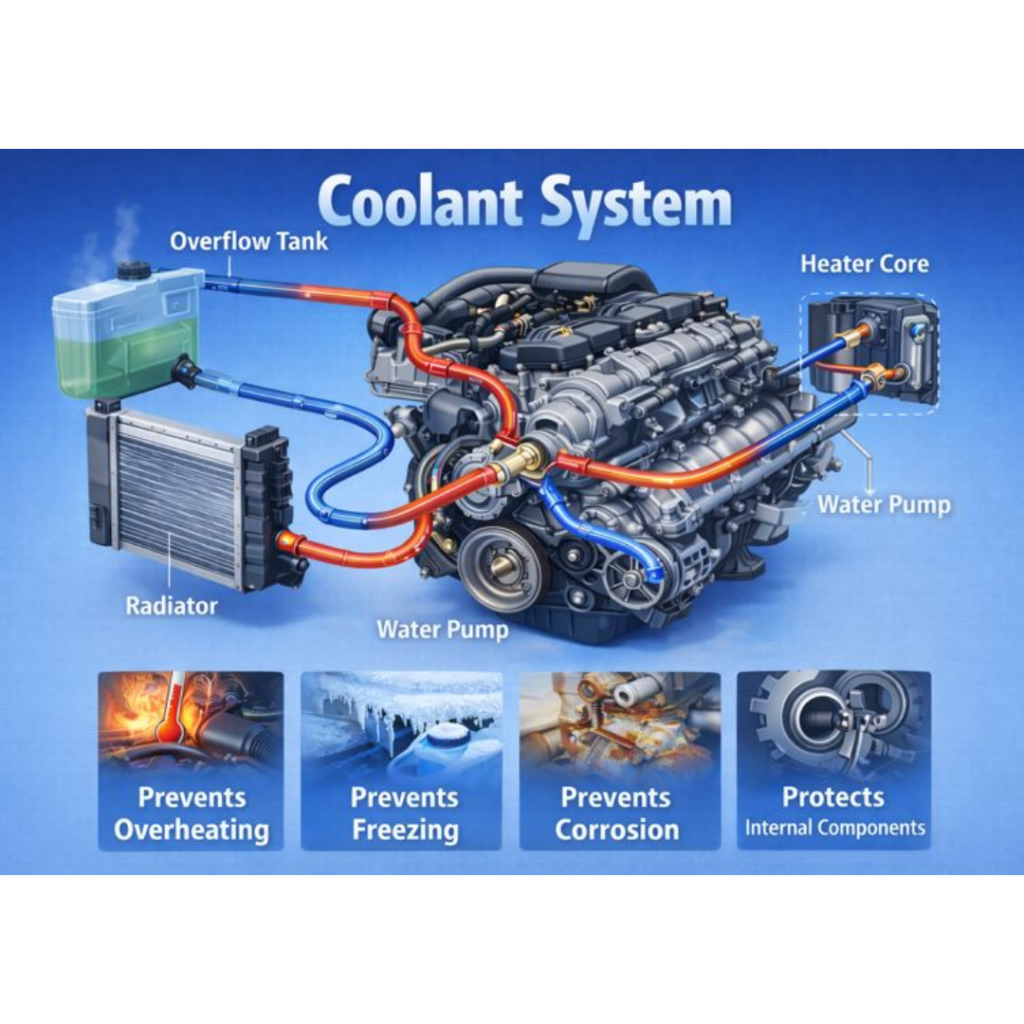
What it does:
Coolant regulates engine temperature, preventing overheating in summer and freezing in winter.
When to change it:
Typically every 30,000–60,000 miles, depending on the vehicle and coolant type.
Signs it needs attention:
Overheating, sweet smell, low coolant warning, or visible leaks.
Transmission Fluid
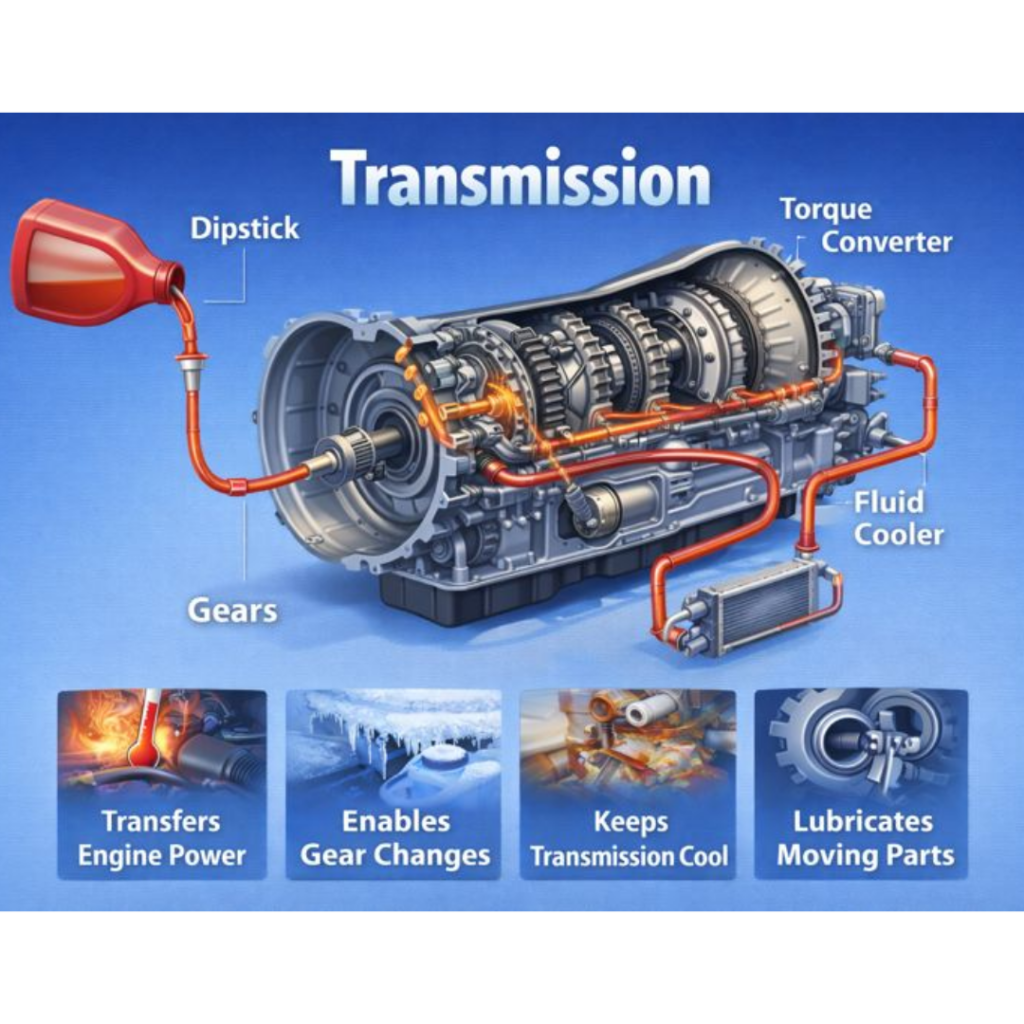
What it does:
Keeps your transmission shifting smoothly, lubricates internal components, and manages heat.
When to change it:
Anywhere from 30,000–100,000 miles depending on the vehicle, transmission type, and driving conditions.
Why it matters:
Old or contaminated transmission fluid can lead to slipping, hard shifts, and very costly repairs.
Brake Fluid
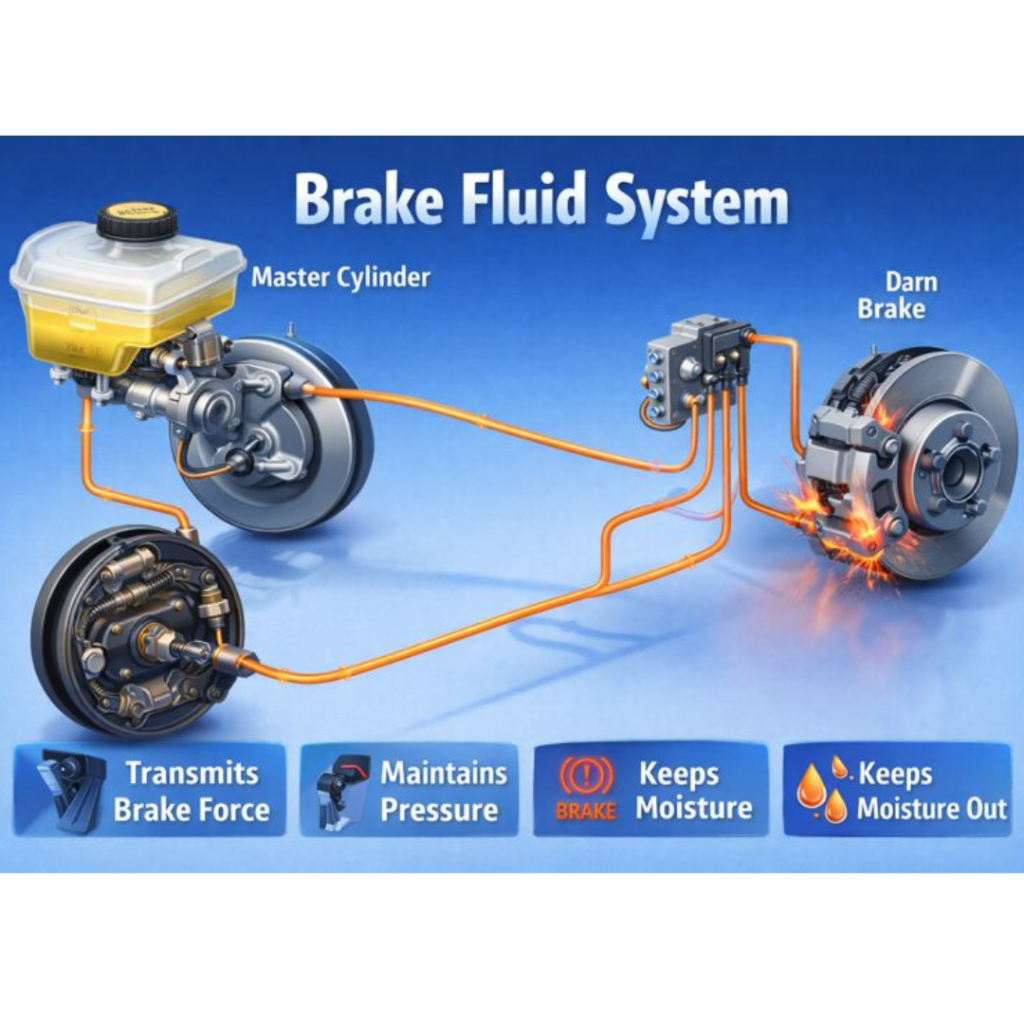
What it does:
Transfers force from your brake pedal to the brakes themselves. Without it, stopping wouldn’t happen.
When to change it:
Usually every 2–3 years.
Fun (but scary) fact:
Brake fluid absorbs moisture over time, which reduces braking performance and can damage brake components.
Power Steering Fluid
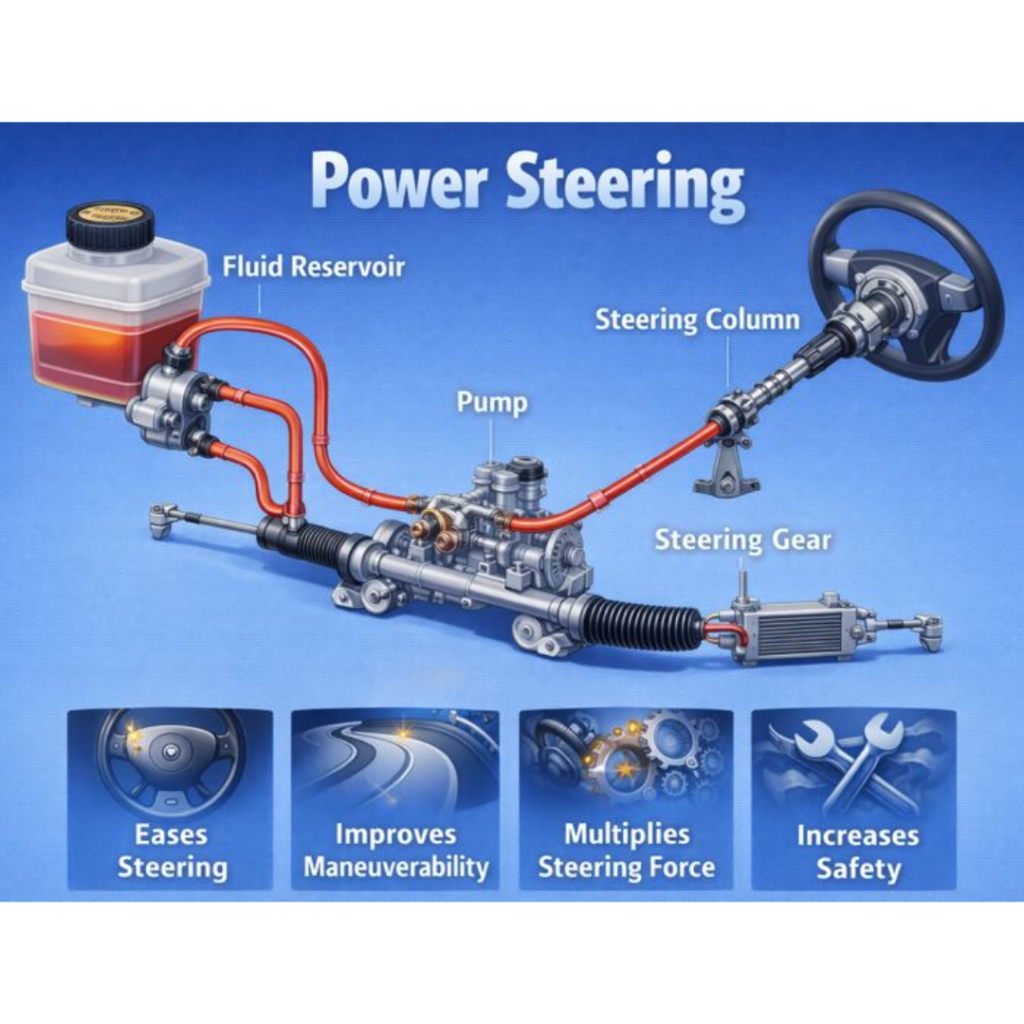
What it does:
Helps you turn the steering wheel smoothly and easily.
When to change it:
Often overlooked, but typically every 50,000–75,000 miles, or if it looks dark or contaminated.
Red flags:
Whining noises, stiff steering, or visible leaks.
Windshield Washer Fluid
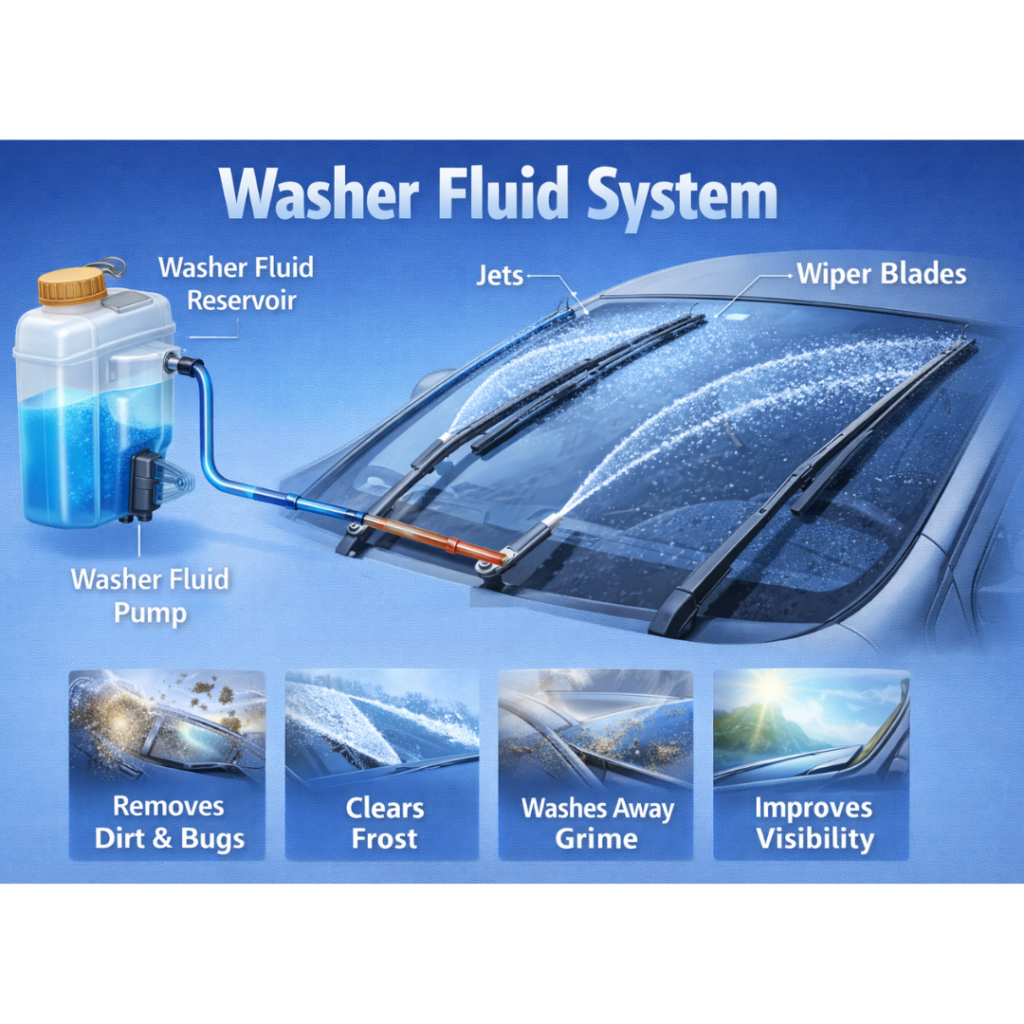
What it does:
Keeps your windshield clean so you can see where you’re going (kind of important).
When to change it:
Top it off as needed—especially before road trips or winter weather.
Good to know: There are many formulas on the market. To simplify you can absolutely run the blue all year long, or you can opt to switch with the seasons.
How to Stay Ahead of Fluid Problems
✅ Check fluid levels regularly (or have us do it during routine service)
✅ Pay attention to dashboard warning lights
✅ Watch for leaks or puddles under your vehicle
✅ Follow your manufacturer’s maintenance schedule
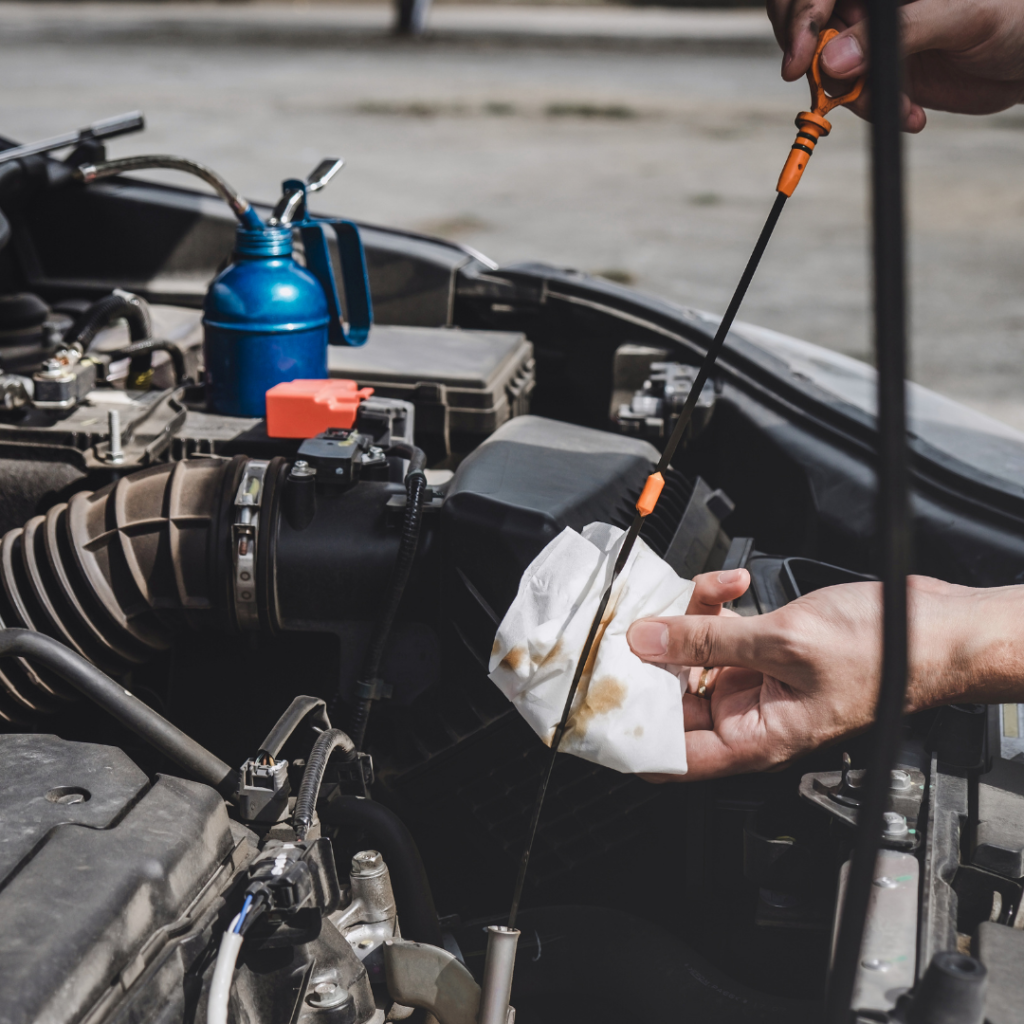
😉 Wearing gloves keeps your hands clean and protected from irritation
Hydration is key (Even for cars)
Fluids might not be flashy, but they’re critical to keeping your vehicle reliable, safe, and long-lasting. A little preventative maintenance goes a long way—and it’s always cheaper than major repairs.
If you’re not sure when your fluids were last serviced, or you want us to take a look, stop by or give us a call. We’re always happy to help keep your vehicle running its best 🚘
Sandston Automotive
SMALL TOWN FEEL, BIG TIME SERVICE
804-737-7206