Episode: The 22,000-mile journey to disaster.
Welcome back to the Shelf of Shame—where worn-out parts go to retire, and the rest of us go to learn from someone else’s “it’ll be fine” moment (and occasionally laugh so we don’t cry).
Today’s featured artifact?
A sample of engine oil that missed its oil change… by a lot. What once flowed smoothly has transformed into a thick, black, gritty substance that looks more like used roofing tar than lubrication. If oil could talk, this one would be begging for mercy.
📽️ At 22K miles over (.45 in the video), you can actually see slow and thick the oil is. That’s the ‘Death Knock’ waiting to happen.
The oil in this video doesn’t just get “dirty”—it undergoes a chemical breakdown. It moves from a translucent protector to gritty sandpaper, and eventually, into the thick black tar you see on our shelf today.
So… what happened?
And more importantly—how do you prevent it?
The Artifact: Oil That’s Seen Some Things
Fresh engine oil is amber, smooth, and ready to protect thousands of moving metal parts. This oil?
- Jet black
- Thick and sludgy
- Full of contaminants
- Smelling like regret
Instead of reducing friction and carrying heat away, overdue oil turns into abrasive sludge. At that point, it’s not protecting your engine—it’s actively working against it.
So, What Happened?
Oil breaks down over time. Heat, combustion byproducts, moisture, and tiny metal particles all take their toll. When oil changes are skipped or pushed way past the recommended interval, the oil can no longer:
- Lubricate critical engine components
- Prevent metal-to-metal contact
- Control engine temperature
- Keep internal parts clean
The result? Accelerated wear on bearings, camshafts, lifters, timing components, and piston rings. In severe cases, it leads to oil starvation, overheating, and full engine failure—the kind that makes everyone very quiet when the estimate is written.
Common Warning Signs (That Often Get Ignored)
This is where most Shelf of Shame items start their journey:
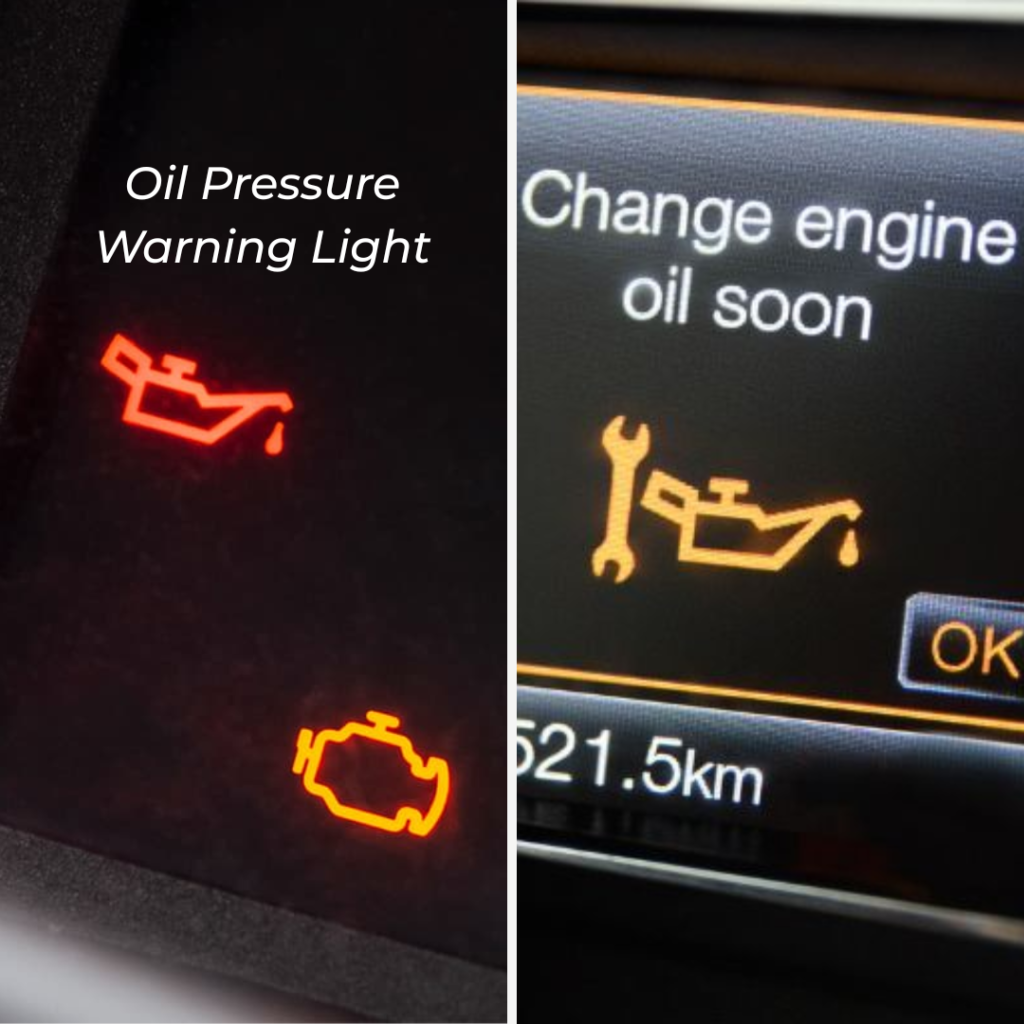
- The oil change reminder has been on “for a while”
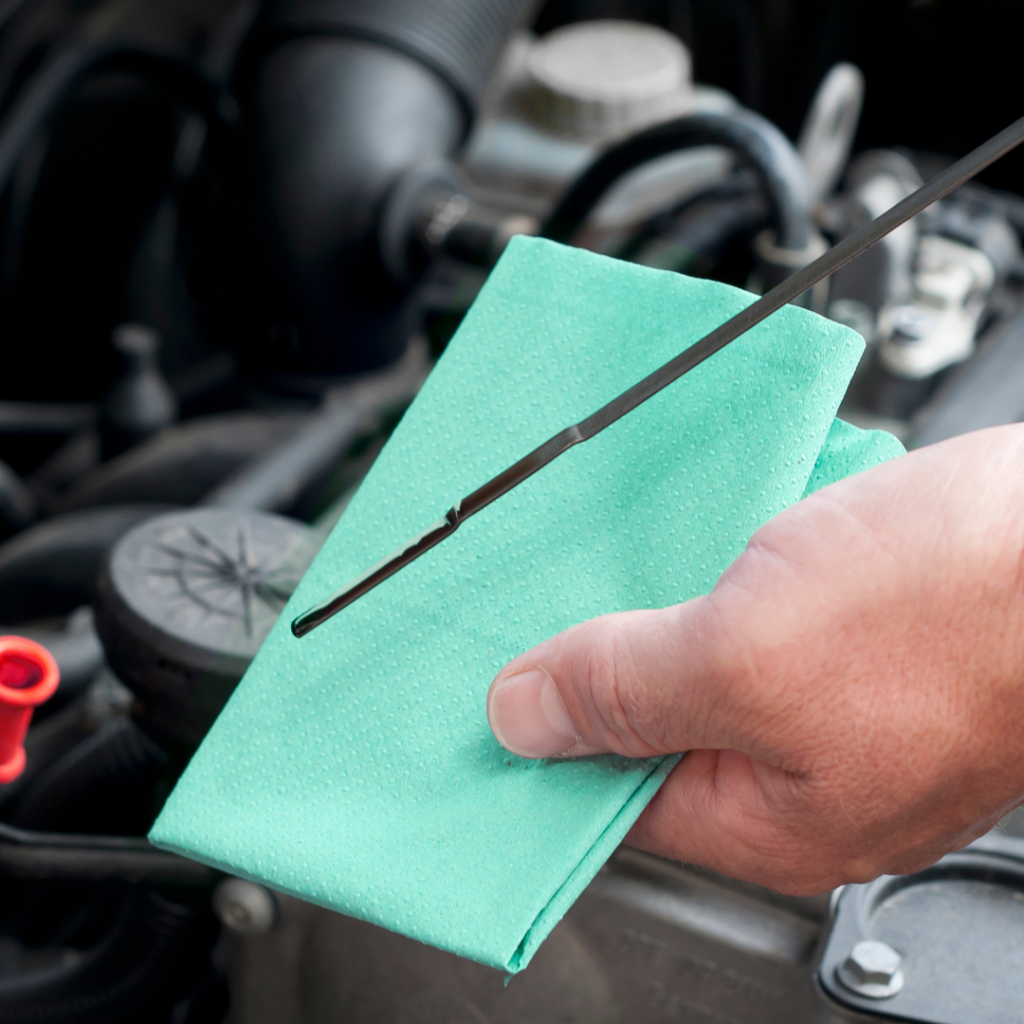
- Oil looks dark, gritty, or thick on the dipstick
- Burning oil smell
- Engine noise (ticking, knocking, or rattling)
- Oil pressure or check engine light
- “I was just trying to make it to next month…”
Why This One Matters
An oil change is one of the least expensive services you can do for your vehicle. But when skipped, it can lead to:
- Sludge buildup inside the engine
- Restricted oil passages
- Increased friction and heat
- Premature engine wear
- Repairs that cost many oil change
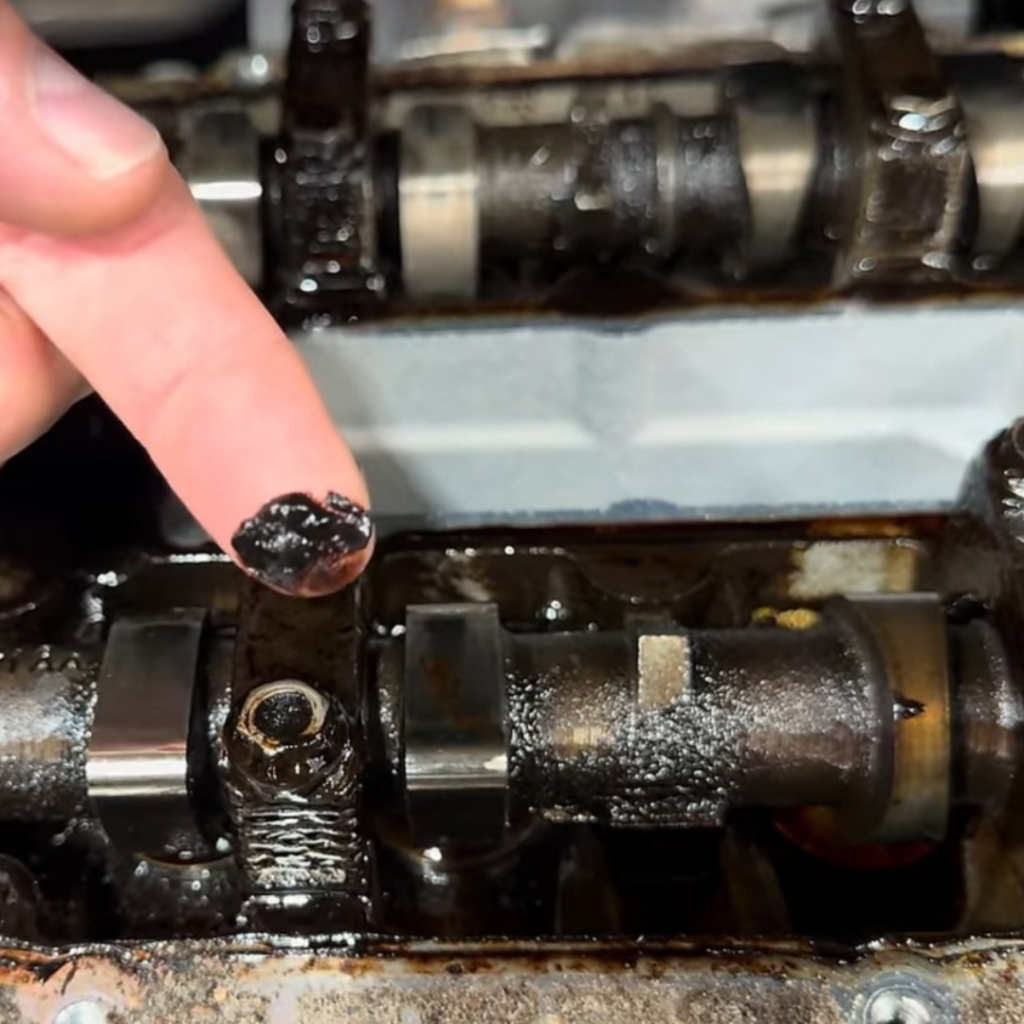
We’re showing you the sludge here, hoping we don’t find it in your oil pan. Engines don’t fail overnight; they fail slowly, missed service by missed service.
How to Keep Your Oil Off the Shelf of Shame
✔ Stick to the 3k-5k mile sweet spot: As the video shows, the decline happens fast once those additives flatline.
✔ Check your oil level and condition between services
✔ Don’t ignore warning lights
✔ If you drive short trips, tow, idle a lot, or have a high-mileage vehicle—shorter intervals matter
✔ When in doubt, ask. We’d rather check it than display it later
Bottom Line from the Shelf
This episode of the Shelf of Shame isn’t about bad luck—it’s about neglect catching up. Clean oil is cheap insurance. Bad oil is a slow, expensive lesson.
Want to see what ends up on the Shelf next?
Let’s just say it involves filters that haven’t filtered anything in years… 👀
Sandston Automotive
SMALL TOWN FEEL, BIG TIME SERVICE
804-737-7206